Water Tank
Expansion, Pressure & Storage Tanks
A house can have three kinds of water tank: thermal expansion tanks that soak up pressure when a heater warms the water, pressure tanks that give a private well pump a reserve, and storage tanks for backup or rainwater. Port Clinton Plumbing installs and repairs all three. Trouble shows as surging pressure, a pump that kicks on and off every few seconds, a dripping relief valve or damp fittings.
Good work starts by matching the tank to the system, setting the air pre-charge to line pressure and fitting the right valves. Whether it is a dead expansion tank, a waterlogged well tank or a storage tank to pipe in, the job covers Port Clinton, OH. Backflow devices on those lines fall under the Ohio Division of Industrial Compliance backflow program.
Tank Work Covered
Tank Services Offered
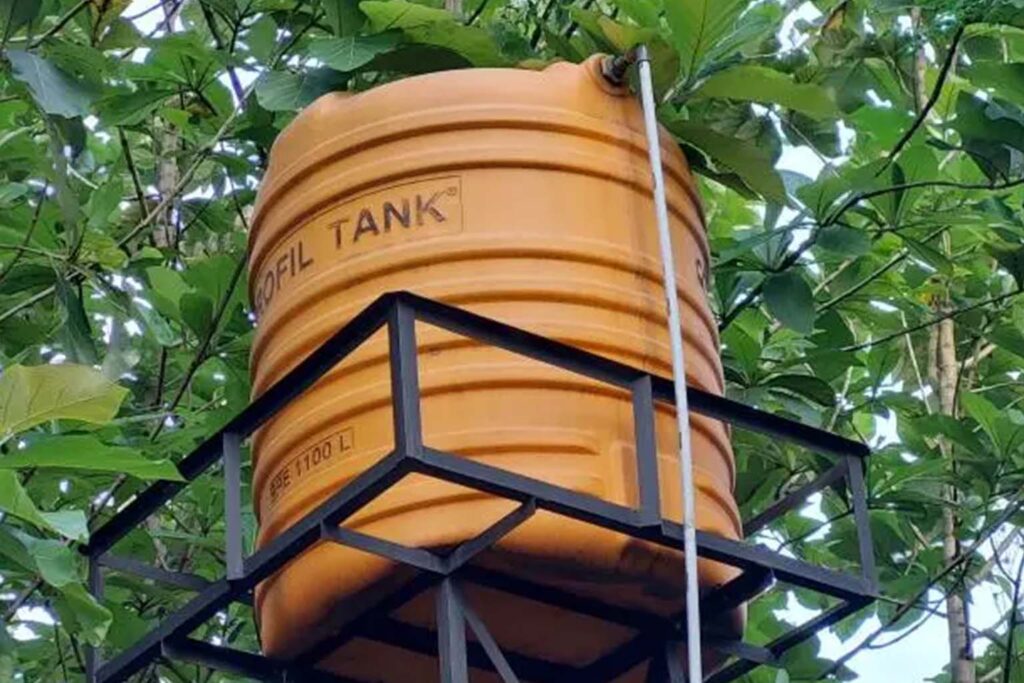
Installing a New Tank
Expansion, well pressure and storage tanks are fitted in a size that suits your water heater, pump or household demand.
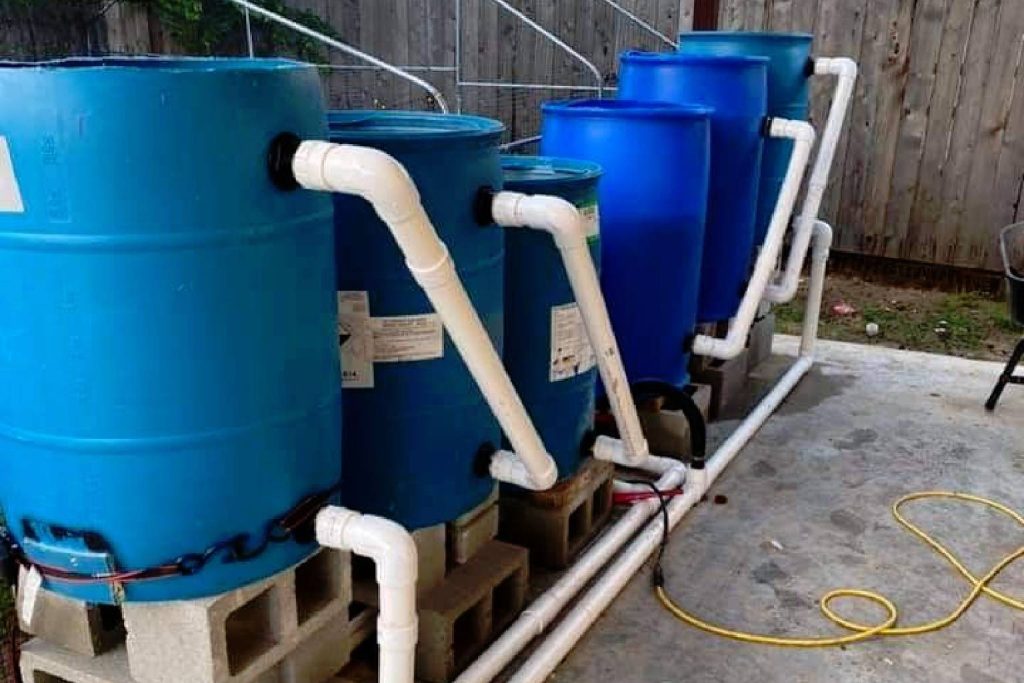
Swapping Out a Tank
A rusted, leaking, waterlogged or undersized tank is swapped for one of the correct size and type for the system.
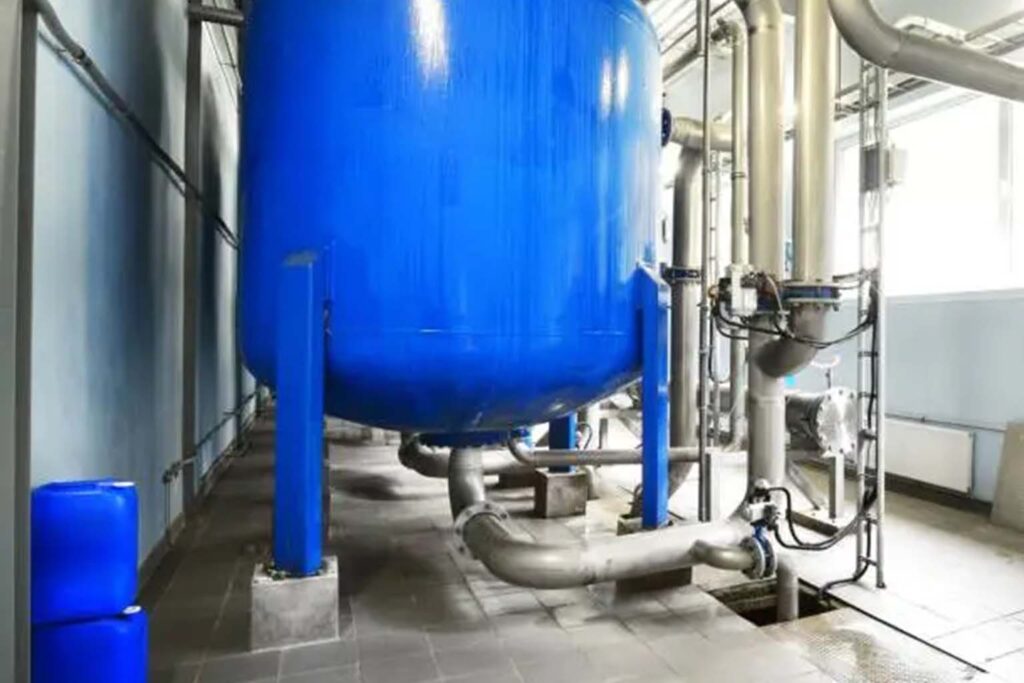
Expansion Tank Checks
Testing and resetting the air pre-charge, replacing dead tanks and curing a relief valve that dribbles whenever the heater fires.
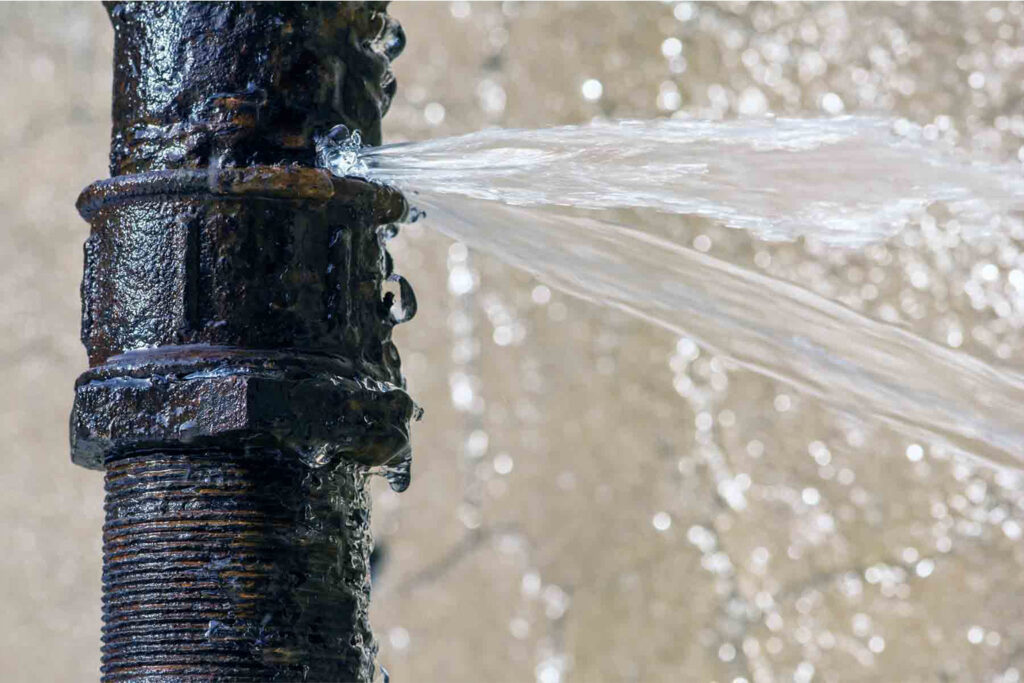
Fixing Leaks
Leaks at the tank shell, inlet and outlet connections, fittings and valves can be repaired before they soak floors or walls.
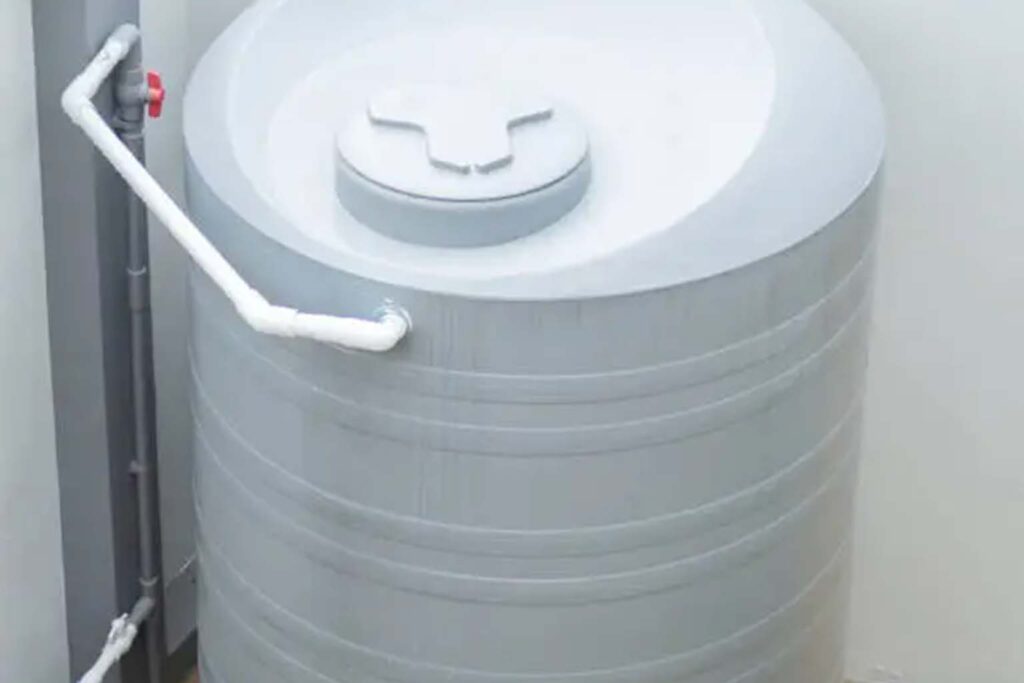
Well Tank Troubleshooting
Waterlogged tanks, wrong pressure-switch settings and pumps that short-cycle all shorten the life of well equipment.
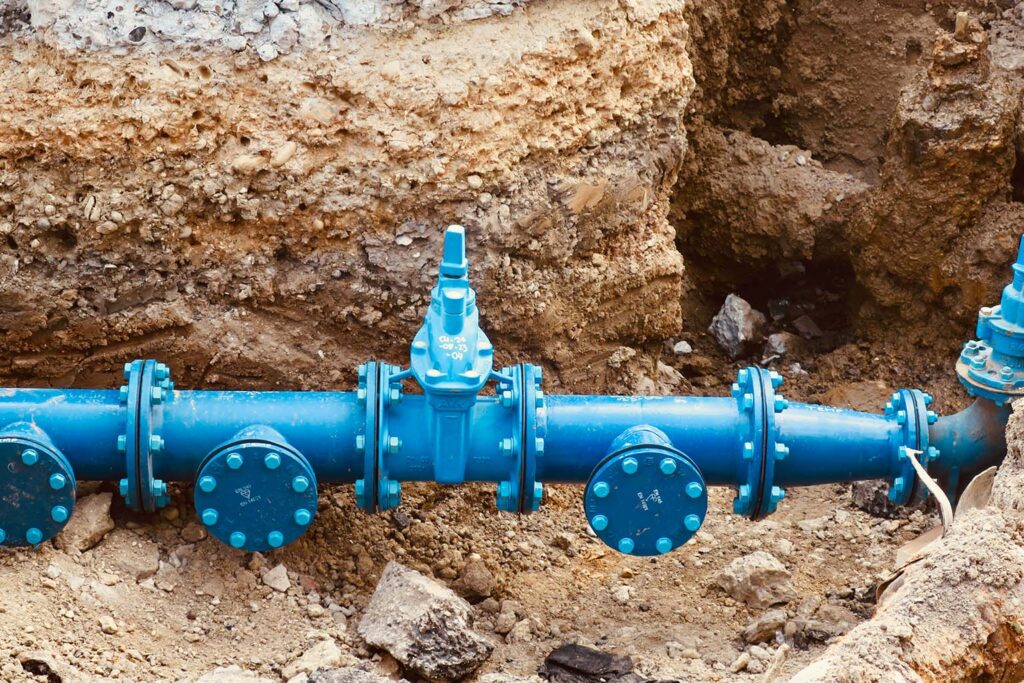
Pipe & Valve Updates
Corroded or worn piping, shut-offs, gauges and supports around the tank are swapped out as needed.
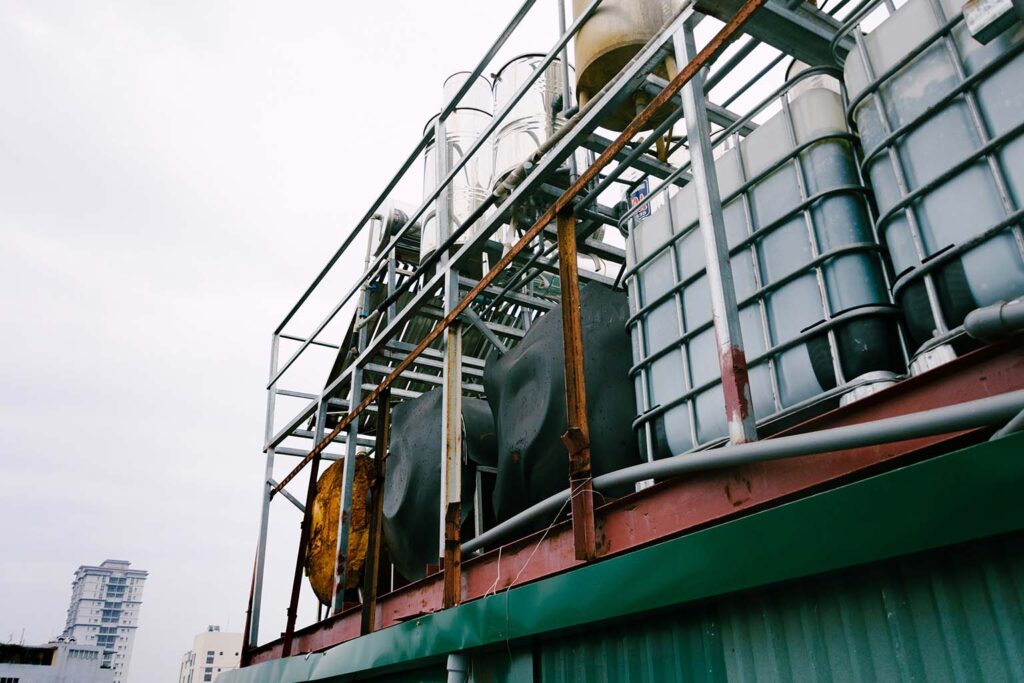
Hooking Up Storage Tanks
Backup and rainwater tanks are tied into household plumbing along with the pump, filter and backflow protection they need.
Why Call Us
Why Hire Port Clinton Plumbing for Water Tank Work?

Careful Installation
Sizing, mounting and connecting a tank should follow the manufacturer’s instructions, and the system should be tested afterward.

Close to Home
Homes across Port Clinton, OH are in range, and a follow-up call is easy if something needs another look.

Root-Cause Repairs
The aim, from a dead expansion tank to a full well tank swap, is to cure the cause and not just the symptom.

Plain Advice
Picking a tank size and type for your heater, well or storage need starts with straight advice.

Tidy Work Area
Good work means floors protected, a tidy work area and the room left as it was found.
A hissing, dripping or banging system is hard to ignore, and a clear explanation should come with the repair.
Issues
Tank Trouble We Often See
- Weeping tank or fittings
- Relief valve that drips or spits
- Pressure that spikes then sags
- Well pump that cycles constantly
- Rust eating at the tank
- Well tanks that lost their air
- Hammering, rattling pipes
- Failed or too-small expansion tanks
- Pressure that will not stay up
When a tank is behind the trouble in your house, the first job is finding the true cause.
Local service area
Where Water Tank Service Reaches Near Port Clinton, OH
Water tank service reaches these places:
Common Tank Questions
Water Tank Q&A
What is an expansion tank for?
Heating water makes it expand. Where the plumbing is a closed loop, the added volume has nowhere to go, so pressure climbs on pipes, valves and the heater itself. The tank keeps an air cushion that takes up the surplus, holding pressure steady and keeping the relief valve from dripping.
How do I know if my expansion tank is dead?
Knock on it. A healthy tank rings hollow up top and solid below, while a waterlogged one sounds solid throughout. Also watch for a dripping relief valve, pressure that jumps whenever the heater fires, and water spitting from the tank’s air valve.
Which signs point to a bad well pressure tank?
Short cycling is the classic clue: the pump clicks on and off every few seconds with a tap running. Pulsing pressure at the faucet, a gauge that swings quickly, and rust or damp on the tank also point to a problem, and each is worth chasing.
Why does my heater's relief valve keep dripping?
Pressure building each time the heater runs often causes a dripping temperature and pressure relief valve, typically because the expansion tank is dead or absent. A worn valve can drip too. Get it checked either way, since the valve is a safety device.
How long should a pressure tank last?
Longevity depends on water quality, pressure settings and how often the pump cycles. Checking the air pre-charge at routine maintenance and stopping short cycling early do the most to extend a tank’s life.
Is replacing a tank a DIY job?
Some homeowners do, but it involves draining the system, matching the air pre-charge to line pressure and making leak-free connections. A slip can flood a utility room or ruin a pump or heater, so most people hire a plumber for it, which is the safer route.
How do I pick expansion tank size?
Heater capacity and the home’s water pressure decide it, and a plumber checks both before choosing. Too small a tank leaves pressure climbing, while an oversized one costs more than the job needs. Ask the installer to explain the sizing.
Is an expansion tank needed on my water heater?
With a check valve or pressure-reducing valve on the main, your plumbing is a closed system and you usually need one; many codes call for it with a new heater. The Ottawa County Building Inspection Department inspects plumbing here.
Why does my well pump cycle on and off?
Fast cycling normally means the tank has lost its air charge or the bladder has failed, so it cannot hold water under pressure anymore. A bad pressure switch produces the same symptom. Ignored, it wears the pump out well before its time.
Which water tank type suits a house best?
That depends on the job. Expansion tanks protect heaters on closed systems, bladder-style tanks suit private wells and polyethylene tanks are the usual pick for above-ground storage. A good recommendation follows how the tank will be used.
What drives the cost of replacing a tank?
Tank type and size, how easy the tank is to reach, and whether piping or valves need replacing at the same time all move the cost. Ask for a written estimate after the system has been inspected.
Must a storage tank sit on a concrete pad?
Not necessarily, but the base must be firm and level; concrete pads suit big tanks or soft ground, and gravel or a rated platform often works for smaller ones. If the plan includes digging, Ohio law requires notifying 811 at least two working days ahead.